
Thyroid Nodules: What to Do and When to Seek Help
Introduction
Thyroid nodules are a common health concern, often detected during routine check-ups or when a person notices a swelling in the neck. While most thyroid nodules are mild and do not cause serious problems, some may require careful evaluation and timely treatment.
Knowing the right steps to take after detecting a thyroid lump can make a significant difference in preventing complications and protecting your long-term health. Today, modern diagnostic methods and minimally invasive techniques have made thyroid nodule management safer and more effective than ever before.
What Are Thyroid Nodules?
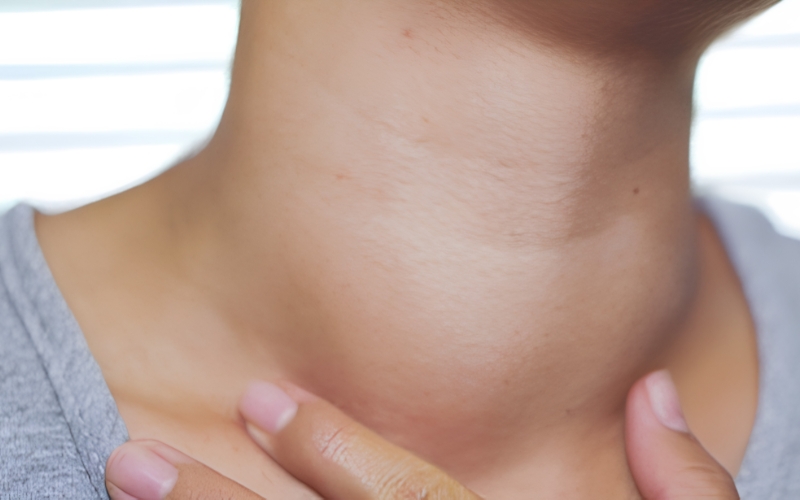
Thyroid nodules are abnormal growths that form within the thyroid gland, located at the front of the neck. These nodules can be solid or fluid-filled and may vary in size.
Are They Always Dangerous?
Most nodules are non-cancerous and may not require immediate intervention. However, a small percentage can be associated with thyroid disorders or malignancy, making proper evaluation important
Common Causes of Thyroid Nodules
Why Do Nodules Develop?
Thyroid nodules can occur due to several factors, including iodine imbalance, overgrowth of normal thyroid tissue, cyst formation, or chronic inflammation of the gland.
Risk Factors to Consider
Individuals with a family history of thyroid disease, exposure to radiation, or hormonal imbalances may have a higher likelihood of developing thyroid nodules.
Signs You Should Not Ignore
Many thyroid nodules do not cause symptoms. However, larger nodules may lead to:
- Visible swelling in the neck
- Difficulty swallowing
- Hoarseness or voice changes
- A feeling of pressure in the throat
When Symptoms Become Concerning
Rapid growth, persistent discomfort, or breathing difficulties should be evaluated promptly, as they may indicate the need for further investigation
What Should You Do If You Notice a Thyroid Lump?
Importance of Early Evaluation
If you detect a lump in your neck, it is important to consult a healthcare professional for proper assessment. Early diagnosis helps determine whether the nodule is benign or requires treatment.
When to Seek Medical Advice
Timely consultation ensures access to effective thyroid swelling treatment and reduces the risk of complications. Ignoring symptoms may delay necessary care and lead to progression of the condition.
Clinical Examination and Tests
A detailed medical history, physical examination, and thyroid function tests help assess the gland’s activity and identify abnormalities.
Imaging and Biopsy
Ultrasound is the primary imaging method used to evaluate nodules. In some cases, fine needle aspiration (FNA) biopsy or CT scans may be recommended to determine the nature of the nodule.
Thyroid Swelling Treatment Options
Observation and Monitoring
Small, asymptomatic nodules are often monitored through regular follow-ups to track any changes in size or behaviour.
Medical Management
Medications may be prescribed in certain cases to manage hormonal imbalances or associated symptoms.
When Treatment Is Needed
Intervention is recommended if nodules grow rapidly, cause symptoms, or show suspicious features during evaluation.
Minimally Invasive Treatment Options
Radiofrequency Ablation (RFA)
RFA is an advanced technique that uses heat energy to shrink thyroid nodules without removing the gland. It is performed under image guidance and offers precise results.
Microwave Ablation (MWA)
MWA is another effective minimally invasive procedure that destroys nodule tissue while preserving surrounding healthy structures.
Benefits of Non-Surgical Techniques
These procedures involve no large incisions, minimal discomfort, and faster recovery compared to traditional surgery. They are increasingly preferred for suitable candidates seeking effective thyroid swelling treatment with minimal downtime.
Warning Signs That Need Immediate Attention
Sudden increase in swelling, severe pain, or difficulty breathing should not be ignored and require urgent medical evaluation.
Role of Specialist Consultation
Consulting an experienced specialist ensures accurate diagnosis and personalized treatment planning. Experts like Dr. Dharav Kheradia focus on advanced imaging and minimally invasive techniques, helping patients receive safe and effective care tailored to their condition.
Taking the Right Steps for Better Thyroid Health
Thyroid nodules are common, but knowing what to do after detecting them makes all the difference. Early evaluation, proper diagnosis, and timely treatment can prevent complications and improve outcomes.
With modern advancements in thyroid swelling treatment, patients now have access to safe, effective, and minimally invasive options. Being proactive about your health ensures better long-term well-being and peace of mind.