
From Detection to Recovery:
Expert Care
for Thyroid Nodules
Introduction
Thyroid nodules are common and can occur at any age, often discovered during routine check-ups or imaging scans. While most nodules are benign, some may cause discomfort, difficulty swallowing, or cosmetic concerns. Modern medical advancements have made it possible to manage and treat thyroid nodules effectively without invasive surgery, offering patients safer and faster recovery options.
What Are Thyroid Nodules?
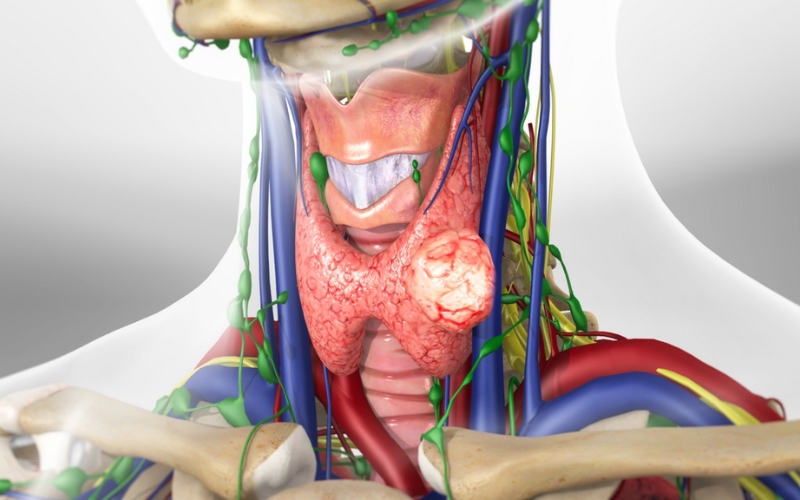
Thyroid nodules are abnormal growths or lumps in the thyroid gland. They can vary in size and may be solid or filled with fluid. While most are harmless, some may produce excess thyroid hormones or indicate underlying conditions that require careful evaluation.
Causes and Risk Factors
Thyroid nodules can develop due to iodine deficiency, hormonal changes, autoimmune conditions, or genetic predisposition. Age, gender (more common in women), and a history of thyroid disease also increase the likelihood of nodule formation.
Symptoms That Require Attention
Physical and Functional Effects- Some thyroid nodules cause visible swelling in the neck, a feeling of pressure, difficulty swallowing, or changes in voice. Others may be asymptomatic and detected only during imaging tests or routine examinations.
When to Consult a Specialist- Persistent swelling, pain, rapid growth of nodules, or symptoms of hyperthyroidism should prompt timely consultation. Early evaluation ensures proper diagnosis and reduces the risk of complications.
Advanced Diagnostic Evaluation
Imaging and Blood Tests- Ultrasound is the first-line imaging tool to assess the size, structure, and vascularity of nodules. Blood tests help evaluate thyroid hormone levels and detect functional abnormalities.
Fine-Needle Aspiration (FNA)- In certain cases, FNA biopsy is performed to rule out malignancy. This minimally invasive procedure provides critical information for accurate diagnosis and treatment planning.
Modern Treatment Options for Thyroid Nodules
Radioactive Iodine Therapy- Radioactive iodine selectively targets thyroid tissue, reducing nodule size and hormone overproduction. It is a non-surgical approach with proven efficacy in many cases.
Radio-Frequency Ablation (RFA) and Microwave Ablation (MWA)- RFA and MWA are minimally invasive procedures that use heat to shrink nodules safely. These techniques preserve healthy thyroid tissue, require no large incisions, and allow patients to resume daily activities quickly.
Many patients prefer these treatments for their effectiveness and minimal recovery time.
Choosing the Right Specialist for Thyroid Care
Selecting an experienced doctor ensures both safety and optimal results. Patients seeking the best thyroid swelling doctor in Mumbai often benefit from a combination of clinical expertise, advanced procedural skills, and a patient-centered approach. Dr. Dharav Kheradia, for example, specializes in minimally invasive thyroid treatments, guiding patients through accurate diagnosis, individualized care plans, and post-procedure follow-up.
Personalized Treatment Planning
Every patient is unique, and treatment is perosnalized based on nodule size, location, symptoms, and overall health. Minimally invasive options, combined with careful monitoring, allow patients to achieve excellent outcomes without undergoing traditional surgery.
Recovery and Long-Term Management
Post-Procedure Care
Recovery from RFA, MWA, or radioactive iodine therapy is usually quick, with most patients experiencing minimal discomfort. Regular follow-ups ensure that thyroid function remains stable and any recurrence is promptly addressed.
Lifestyle and Monitoring
Maintaining a balanced diet, managing stress, and regular check-ups contribute to long-term thyroid health. Patients are encouraged to stay proactive and report any new symptoms to their specialist promptly.
Conclusion
Taking the First Step Towards Safe, Effective Thyroid Nodule Treatment
Modern strategies for thyroid nodules prioritize safety, effectiveness, and minimal invasiveness. With options like RFA, MWA, and radioactive iodine therapy, patients can reduce nodule size, alleviate symptoms, and avoid the risks associated with surgery. Consulting an experienced specialist like Dr. Dharav Kheradia ensures personalized care and the best possible outcomes for thyroid health. Early evaluation and expert management are key to maintaining long-term wellness and confidence.