
Habits for Healthy Circulation
and
Long-Term Vascular Health
Introduction
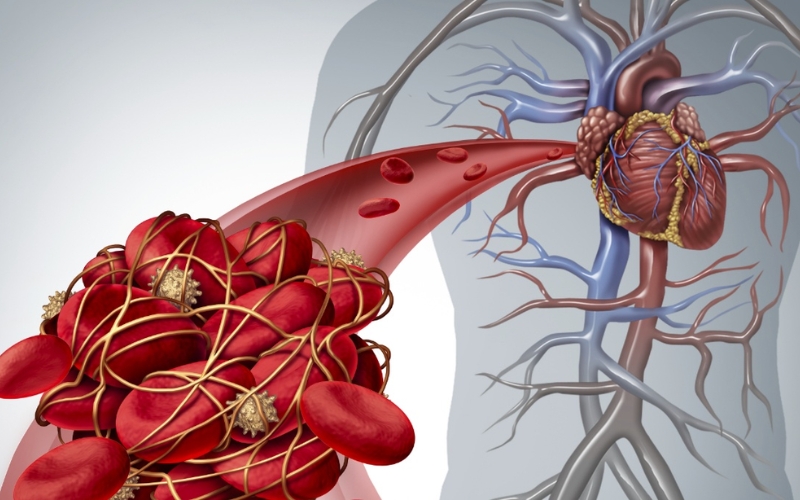
Healthy veins and arteries are the backbone of overall wellness, ensuring that oxygen, nutrients, and waste are efficiently transported throughout the body. When vascular health declines, it can lead to complications such as varicose veins, blood clots, peripheral artery disease, and even heart problems. The good news is that consistent, everyday habits can significantly improve circulation, strengthen blood vessels, and support long-term vascular wellness. In this article, we’ll explore practical, evidence-based habits that help maintain healthy blood flow and prevent vascular complications, empowering you to take control of your cardiovascular and venous health.
What Vascular Health Means
Vascular health refers to the proper functioning of veins, arteries, and capillaries. Healthy vessels efficiently transport blood, reduce inflammation, and prevent complications like thrombosis, varicose veins, and arterial blockages. Maintaining vascular health is crucial not just for physical performance but also for overall longevity and quality of life.
Common Factors Affecting Circulation
Lifestyle habits, aging, genetics, obesity, and chronic conditions such as diabetes or hypertension can compromise vascular health. Sedentary behavior, poor diet, smoking, and stress can further contribute to weakened vessels and poor blood flow. Understanding these risk factors is the first step toward preventive care.
Daily Habits to Boost Circulation
1. Regular Physical Activity
Engaging in activities like walking, jogging, swimming, or yoga promotes healthy blood flow, strengthens vessel walls, and reduces the risk of blood clots. Even simple movements like stretching or taking short walks throughout the day can make a noticeable difference.
2. Balanced Diet for Vascular Health
A nutrient-rich diet supports vessel elasticity and reduces inflammation. Focus on:
● Leafy greens and vegetables for antioxidants
● Whole grains for stable blood sugar
● Healthy fats like olive oil and nuts
● Lean proteins for overall body repair
Limiting processed foods, excess salt, and sugary beverages helps maintain blood pressure and prevents arterial stiffness.
3. Maintain a Healthy Weight
Excess body weight increases pressure on veins, particularly in the lower extremities, leading to varicose veins and poor circulation. Combining diet, exercise, and lifestyle modifications can help achieve a healthy weight and reduce vascular strain.
4. Stay Hydrated
Proper hydration keeps blood viscosity low, supporting smoother circulation and reducing the risk of clot formation. Drinking adequate water throughout the day is a simple yet effective vascular care habit.
5. Avoid Prolonged Sitting or Standing
Sitting or standing for long periods can impair blood flow, especially in the legs. Taking breaks to walk, stretch, or elevate your feet can prevent pooling of blood and reduce venous pressure.
6. Stress Management
Chronic stress elevates blood pressure and can negatively impact vessel health. Practices like meditation, deep breathing exercises, and mindful relaxation help regulate blood pressure and protect vascular function.
7. Quit Smoking and Limit Alcohol
Smoking damages blood vessel walls and accelerates arterial disease, while excessive alcohol can lead to inflammation and vascular complications. Eliminating these habits improves overall circulation and reduces long-term risks.
When to Consult a Specialist
Even with healthy habits, some individuals may face vascular issues due to genetics or chronic conditions. Consulting a vascular specialist for periodic screenings, particularly if you notice leg swelling, varicose veins, numbness, or unusual fatigue, ensures early intervention and effective management.
Dr. Dharav Kheradia’s Approach
Dr. Dharav Kheradia emphasizes preventive care and evidence-based interventions for vascular health. Through personalized assessments and minimally invasive treatments when necessary, patients are guided toward long-term vascular wellness with comfort and confidence.
Conclusion
Maintaining healthy circulation and strong blood vessels is achievable with consistent, practical habits. From regular physical activity and a nutrient-rich diet to stress management and periodic medical check-ups, these simple steps help prevent complications, improve energy levels, and promote overall well-being. Prioritizing vascular health today ensures a stronger, healthier tomorrow, reducing the risk of venous and arterial issues and enhancing quality of life.