
Modern Interventional Techniques
to
Reduce Stroke Risk
Introduction
Stroke is one of the leading causes of disability and mortality worldwide, often occurring without significant warning. One of the major contributors to stroke is the narrowing or blockage of the carotid arteries, the main blood vessels supplying oxygen-rich blood to the brain. When these arteries become narrowed due to plaque buildup, the risk of stroke increases significantly. With advancements in medical science, minimally invasive interventional procedures now offer effective ways to restore blood flow and reduce stroke risk without the need for major surgery. Early diagnosis and timely treatment play a crucial role in preventing life-threatening complications.
Understanding Carotid Artery Disease
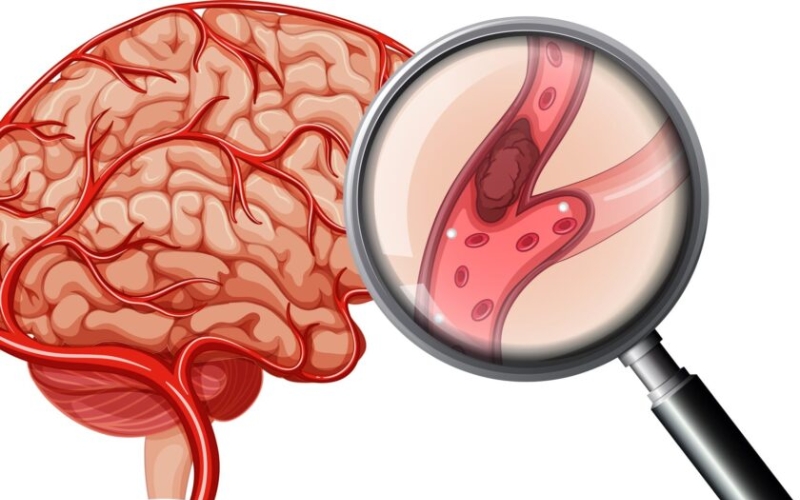
Carotid artery disease develops when fatty deposits, known as plaque, accumulate inside the carotid arteries. This buildup causes narrowing (stenosis), restricting blood flow to the brain. Common causes and risk factors include:
● High blood pressure
● High cholesterol
● Smoking
● Diabetes
● Aging
● Sedentary lifestyle
As the narrowing progresses, it may lead to reduced blood supply or the formation of clots that can travel to the brain, resulting in a stroke.
Symptoms and Early Warning Signs
Carotid artery disease is often referred to as a “silent condition” because many patients may not experience symptoms until a serious event occurs. However, some warning signs may include:
● Sudden weakness or numbness on one side of the body
● Difficulty speaking or understanding speech
● Temporary vision loss in one eye
● Dizziness or loss of balance
These symptoms may indicate a transient ischemic attack (TIA), often called a mini-stroke, and should never be ignored. Immediate medical attention can prevent a full-blown stroke.
Why Early Diagnosis Is Critical
Timely diagnosis helps identify carotid artery narrowing before complications arise. A vascular specialist may recommend:
Clinical Evaluation
A detailed medical history and physical examination help assess risk factors and detect abnormalities such as abnormal blood flow sounds.
Advanced Imaging
Tests such as Doppler ultrasound, CT angiography, or MRI scans provide detailed images of the arteries, helping determine the severity and exact location of blockage.
Early detection allows for appropriate treatment planning and significantly reduces the risk of stroke.
Treatment Options for Carotid Artery Blockage
Treatment depends on the severity of narrowing and overall health of the patient.
Lifestyle and Medical Management- In early stages, lifestyle modifications and medications such as blood thinners, cholesterol-lowering drugs, and blood pressure control can help slow disease progression.
Traditional Surgical Approach- Carotid endarterectomy is a surgical procedure that removes plaque from the artery. While effective, it involves an incision in the neck and requires a longer recovery period.
Minimally Invasive, Image-Guided Intervention- Carotid stenting is a minimally invasive procedure designed to open narrowed arteries and restore blood flow. It is performed using advanced imaging techniques and is often recommended for patients who are at
higher risk for surgery.
How the Procedure Works
The procedure is typically performed under local anesthesia.
Step-by-Step Overview- A thin catheter is inserted through a small puncture, usually in the groin, and guided to the carotid artery. A tiny balloon may be used to widen the narrowed area, and a stent (a small mesh tube) is placed to keep the artery open and maintain proper blood flow.
What to Expect After Treatment- Patients are usually monitored for a short period and may be discharged within a day. Recovery is generally quick, with most individuals resuming normal activities soon after the procedure.
Benefits of Minimally Invasive Treatment
Modern interventional techniques offer several advantages:
Reduced Surgical Risk
Avoids large incisions and reduces the risks associated with open surgery.
Faster Recovery
Shorter hospital stay and quicker return to daily activities.
Improved Blood Flow
Restores proper circulation to the brain, significantly lowering stroke risk.
Suitable for High-Risk Patients
An ideal option for patients who may not be candidates for traditional surgery.
Choosing the Right Specialist for Care
Selecting an experienced specialist is crucial for safe and effective treatment outcomes. A skilled neurovascular expert can ensure precise
diagnosis, advanced technique application, and personalized patient care. Dr. Dharav Kheradia is renowned for his expertise in minimally invasive vascular procedures, including carotid stenting. With years of experience and a patient-focused approach, he carefully evaluates each case to determine the most suitable treatment plan. Patients under his care benefit from his meticulous attention to detail, advanced imaging techniques, and a commitment to ensuring optimal long-term outcomes.
Choosing a specialist like Dr. Dharav not only provides confidence during the procedure but also ensures comprehensive guidance throughout recovery, lifestyle modifications, and long-term vascular health management.
Recovery and Long-Term Care
Post-procedure care plays a vital role in preventing recurrence. Patients are advised to:
● Follow prescribed medications
● Maintain a healthy diet
● Stay physically active
● Quit smoking
● Attend regular follow-up appointments
These lifestyle changes help maintain arterial health and reduce future risks.
Conclusion
Carotid artery disease is a serious condition that can lead to stroke if left untreated. Fortunately, modern interventional techniques now provide safe and effective solutions to restore blood flow and protect brain health. With timely diagnosis and expert care, patients can significantly reduce their risk of stroke and lead a healthier, more active life. Taking proactive steps today can make a life-saving difference for the future.