
How Summer Heat Impacts Blood Circulation and Overall Health
Introduction
Summer brings longer days and outdoor activities, but rising temperatures can also place significant stress on the body. One of the most important yet often overlooked aspects is how extreme heat affects blood circulation and overall vascular health. From dehydration to heat stroke, the impact of high temperatures can disrupt normal body functions and increase health risks if not managed properly.
Understanding these effects and taking preventive measures can help maintain healthy circulation and avoid complications during the hotter months.
Understanding Heat Stroke and Its Impact on the Body
What Happens During Heat Stroke?
Heat stroke is a serious condition that occurs when the body is unable to regulate its temperature effectively. As body temperature rises rapidly, it can lead to damage to vital organs, including the brain and heart.
Why Extreme Heat Can Be Dangerous?
Prolonged exposure to high temperatures, especially when combined with dehydration, can overwhelm the body’s cooling system. This can result in symptoms such as confusion, dizziness, rapid heartbeat, and even loss of consciousness, requiring immediate medical attention.
The Role of Blood Vessels in Temperature Regulation
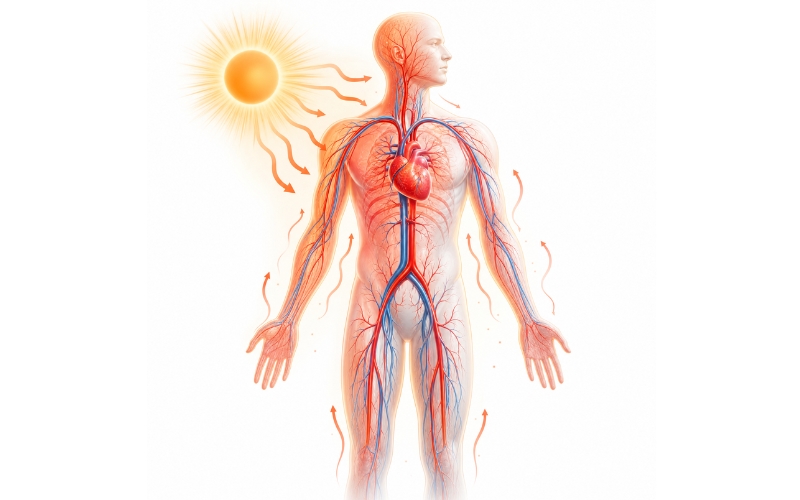
Blood vessels play a key role in maintaining body temperature. In hot weather, they expand to release heat through the skin. While this process helps cool the body, it also lowers blood pressure and may affect circulation.
Impact on Blood Flow
As blood vessels widen, the heart must work harder to maintain stable circulation. In some individuals, this may lead to fatigue, dizziness, or swelling in the legs, especially after prolonged standing or activity in the heat.
The Link Between Dehydration and Vascular Health
How Fluid Loss Affects Circulation
Sweating is the body’s natural response to heat, but excessive fluid loss without proper hydration can reduce blood volume. This makes blood thicker and more difficult to circulate, increasing strain on the heart and blood vessels.
Increased Risk of Complications
Dehydration can contribute to low blood pressure, muscle cramps, and in severe cases, an increased risk of blood clot formation. Maintaining proper hydration is essential to support smooth and efficient blood flow.
Early Warning Signs
Common symptoms related to heat and circulation issues include:
- Excessive sweating
- Fatigue and weakness
- Dizziness
- Headache
Signs That Require Immediate Attention
Severe symptoms such as confusion, high body temperature, rapid pulse, or fainting may indicate heat stroke and require urgent medical care. Ignoring these signs can lead to serious complications.
Who Is at Higher Risk?
Vulnerable Groups
Certain individuals are more susceptible to heat-related vascular issues, including:
- Elderly individuals
- People with existing heart or circulatory conditions
- Individuals working outdoors
- Those with sedentary lifestyles
Importance of Awareness
Understanding personal risk factors can help individuals take early precautions and avoid complications during extreme weather conditions.
Preventive Measures for Better Vascular Health
Stay Hydrated and Maintain Electrolyte Balance
Drinking adequate water throughout the day is one of the simplest ways to support circulation. Including electrolyte-rich fluids can help maintain fluid balance and prevent dehydration.
Lifestyle Tips for Summer
- Avoid direct sun exposure during peak hours
- Wear light and breathable clothing
- Stay physically active but avoid overexertion
- Take regular breaks in shaded or cool areas
These simple habits can significantly reduce the risk of heat-related vascular problems.
When to Consult a Specialist
Recognizing the Need for Medical Advice
Persistent symptoms such as leg swelling, frequent dizziness, or signs of poor circulation should not be ignored. Early evaluation can prevent complications.
Role of Expert Care
Consulting a qualified vascular specialist can help identify underlying circulation issues and provide appropriate treatment. Specialists like Dr. Dharav Kheradia focus on comprehensive evaluation and personalized care, ensuring patients receive the right guidance to manage vascular health effectively, especially during extreme weather conditions.
Smart Steps to Stay Healthy in the Heat
Summer heat can have a significant impact on blood circulation and overall health, but with the right precautions, these risks can be minimized. Staying hydrated, recognizing early warning signs, and seeking timely medical care are essential steps in maintaining vascular health.
By adopting simple lifestyle measures and being mindful of how your body responds to heat, you can enjoy the season while keeping your circulation and overall well-being in check.