
Understanding Thyroid Nodules and Modern Minimally Invasive Treatment Options
Introduction
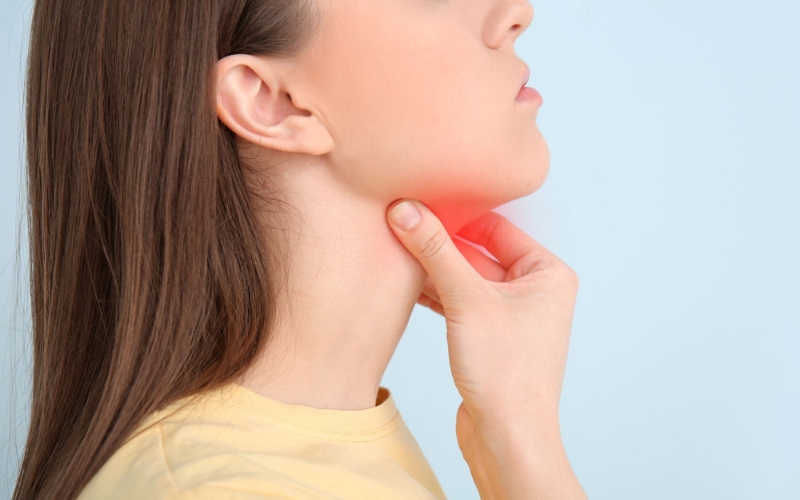
Thyroid lumps, also known as thyroid nodules, are a common clinical finding in many individuals. While most nodules are benign and harmless, some may require careful evaluation to rule out underlying thyroid disorders or malignancy. With advancements in medical imaging and interventional techniques, the diagnosis and treatment of thyroid nodules have become more precise, safer, and less invasive than ever before.
Early assessment and appropriate management play a key role in ensuring thyroid health and preventing complications.
What Are Thyroid Nodules?
Definition and Overview
Thyroid nodules are abnormal growths or lumps that form within the thyroid gland, located at the front of the neck. They may be solid or fluid-filled and can vary in size from very small to large visible swellings.
How They Develop
These nodules may develop due to abnormal thyroid cell growth, iodine deficiency, inflammation, or hormonal imbalance. In many cases, they remain asymptomatic and are discovered incidentally during routine check-ups or imaging studies.
Causes and Risk Factors
Common Causes
Thyroid nodules can occur due to multiple factors including chronic thyroid inflammation, cyst formation, genetic predisposition, or overgrowth of normal thyroid tissue.
Who Is at Risk
Individuals with a family history of thyroid disease, exposure to radiation, iodine imbalance, or hormonal disorders are at a higher risk of developing thyroid nodules.
Symptoms and When to Seek Attention
Common Symptoms
Most thyroid nodules do not cause symptoms. However, when they grow larger, they may lead to neck swelling, difficulty swallowing, voice changes, or a visible lump in the neck.
When Medical Evaluation Is Needed
Any rapidly growing nodule, persistent neck swelling, or associated breathing or swallowing difficulty should be evaluated by a specialist without delay.
Diagnosis and Evaluation
Clinical Assessment and Blood Tests
A detailed physical examination along with thyroid function tests helps assess hormonal activity and gland performance.
iMAGING AND bIOPSY
Ultrasound is the primary imaging tool used to evaluate thyroid nodules. In some cases, CT scans or fine needle aspiration biopsy (FNA) may be recommended to determine whether the nodule is benign or requires further treatment.
Treatment Options for Thyroid Nodules
Observation and Monitoring
Small, non-symptomatic nodules are often monitored over time with regular ultrasound follow-ups.
Radioactive Iodine Therapy
In certain cases, especially when nodules are associated with overactive thyroid function, radioactive iodine may be used to reduce gland activity.
Surgical Treatment
Traditional surgery is recommended for large, suspicious, or symptomatic nodules. Although effective, it may involve scarring and longer recovery.
Minimally Invasive Treatment Approaches
Radiofrequency Ablation (RFA)
RFA is a modern image-guided technique that uses heat energy to shrink thyroid nodules without removing the gland. It is performed under local anesthesia and offers precise targeting with minimal discomfort.
Microwave Ablation (MWA)
MWA uses controlled microwave energy to destroy nodule tissue. It is highly effective for reducing nodule size while preserving normal thyroid function.
Advantages of Image-Guided Ablation
These procedures are performed under ultrasound guidance, ensuring accuracy, safety, and minimal damage to surrounding tissues. They are typically day-care procedures with quick recovery.
Advantages of Minimally Invasive Treatment
- No large surgical incision or visible scar
- Shorter recovery time
- Preservation of normal thyroid function
- Reduced hospital stay
- Minimal discomfort during and after the procedure
Importance of Expert Evaluation
Accurate diagnosis and treatment planning are essential for thyroid nodules. A specialist’s expertise ensures the correct identification of nodules that require intervention versus those that can be safely monitored.
Experienced specialists like Dr. Dharav Kheradia focus on a patient-centered approach, using advanced imaging and minimally invasive techniques to provide safe and effective thyroid nodule management with optimal outcomes.
Final Overview
Early diagnosis, regular follow-ups, and expert guidance play a crucial role in achieving the best outcomes and maintaining long-term thyroid health.