
Deep Vein Clots: Causes, Symptoms, and Treatment Options
Introduction
Deep vein clots, commonly known as deep vein thrombosis (DVT), are a serious medical condition where a blood clot forms in the deep veins, usually in the legs. While it may begin with mild symptoms, untreated DVT can lead to severe complications, including pulmonary embolism, a life-threatening condition where the clot travels to the lungs.
Understanding the causes, recognizing early symptoms, and seeking timely treatment are essential steps in preventing complications and ensuring better vascular health. With modern medical advancements, effective and minimally invasive treatment options are now available to manage DVT safely and efficiently.
Understanding Deep Vein Clots
What Are Deep Vein Clots?
Deep vein clots occur when blood thickens and forms a clot within a deep vein. These clots most commonly develop in the legs but can also occur in other parts of the body. They can partially or completely block blood flow, leading to swelling and discomfort.
Common Areas Affected
The legs, particularly the calf and thigh veins, are the most commonly affected areas. In some cases, clots may develop in the pelvis or arms, especially in individuals with specific risk factors.
Causes and Risk Factors
Why Do Blood Clots Form?
Blood clots typically form due to a combination of slow blood flow, damage to the vein walls, and increased clotting tendency. Prolonged immobility such as long flights, bed rest, or sedentary lifestyles can significantly contribute to clot formation.
Key Risk Factors to Know
● Prolonged sitting or inactivity
● Recent surgery or injury
● Pregnancy
● Obesity
● Smoking
● Certain medical conditions like cancer or heart disease
● Family history of clotting disorders
Being aware of these risk factors can help in early prevention and timely medical attention.
Symptoms and Warning Signs
DVT symptoms can vary but often include:
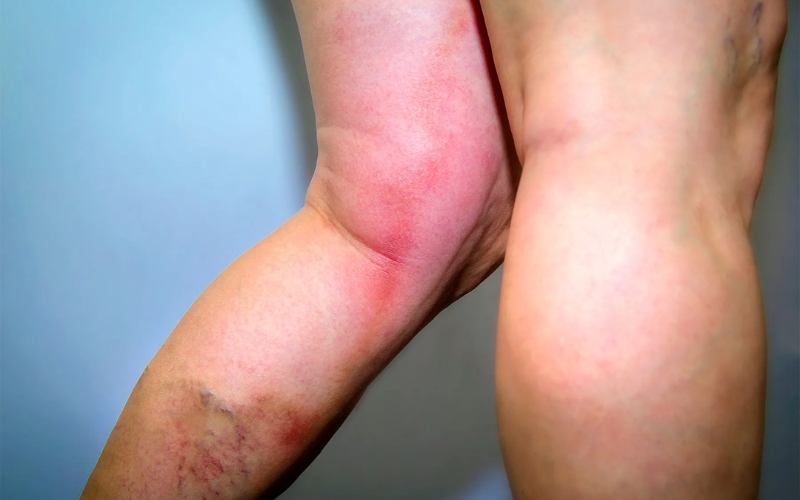
● Swelling in one leg
● Pain or tenderness, especially while walking
● Warmth in the affected area
● Red or discolored skin
When Symptoms May Be Subtle
In some cases, DVT may not cause noticeable symptoms, making it harder to detect. This is why individuals with risk factors should remain vigilant and seek evaluation if they notice unusual discomfort or swelling.
Why Deep Vein Clots Can Be Dangerous
Risk of Pulmonary Embolism
One of the most serious complications of DVT is pulmonary embolism (PE). This occurs when a clot breaks loose and travels to the lungs, blocking blood flow and causing breathing difficulties, chest pain, or even sudden collapse.
Long-Term Complications
Untreated DVT can also lead to post-thrombotic syndrome, a condition that causes chronic pain, swelling, and skin changes in the affected limb. Early treatment helps reduce these long-term effects.
Diagnosis and Evaluation
Clinical Examination
Doctors begin with a detailed medical history and physical examination to assess symptoms and risk factors.
Imaging and Tests
Doppler ultrasound is the most commonly used test to detect clots and evaluate blood flow in the veins. In some cases, additional imaging such as CT scans may be recommended for accurate diagnosis.
Treatment Options for Deep Vein Clots
Medications and Blood Thinners
Anticoagulant medications, commonly known as blood thinners, are the first line of treatment. They prevent the clot from growing and reduce the risk of new clots forming.
Minimally Invasive Treatments
In certain cases, advanced minimally invasive procedures may be required to remove or dissolve the clot. These treatments are performed using image-guided techniques, offering faster recovery and improved outcomes.
Prevention and Lifestyle Measures
Simple Steps to Reduce Risk
● Stay active and avoid prolonged sitting
● Maintain a healthy weight
● Stay well hydrated
● Use compression stockings if advised
● Avoid smoking
Importance of Regular Monitoring
Individuals with higher risk should undergo regular check-ups to detect potential issues early and prevent complications.
When to Consult a Specialist
Warning Signs That Need Immediate Attention
Sudden leg swelling, severe pain, or symptoms like chest pain and shortness of breath require urgent medical evaluation.
Importance of Expert Care
Consulting an experienced vascular specialist ensures accurate diagnosis and appropriate treatment. Specialists like Dr. Dharav Kheradia focus on early intervention and personalized care, helping patients manage DVT effectively and reduce long-term risks.
Conclusion
Deep vein clots are a serious but manageable condition when identified early. Awareness of symptoms, understanding risk factors, and seeking timely medical care can significantly reduce complications.
With modern treatment options and proper lifestyle modifications, patients can effectively manage DVT and maintain healthy circulation. Taking proactive steps today can help protect your vascular health and overall well-being.