
Innovative Techniques for Treating Brain Aneurysms Without Open Surgery
Introduction
Brain aneurysms are serious vascular conditions that can remain silent for years but carry the risk of life-threatening complications if they rupture. Traditionally, treatment involved open brain surgery, which could be complex and require longer recovery. However, advancements in medical technology have introduced minimally invasive solutions that allow safer and more effective management of aneurysms.
Today, modern endovascular techniques focus on treating aneurysms from within the blood vessels, reducing surgical trauma and improving patient outcomes. Early diagnosis and timely intervention play a crucial role in preventing complications and ensuring long-term brain health.
Understanding Brain Aneurysms
What Is a Brain Aneurysm?
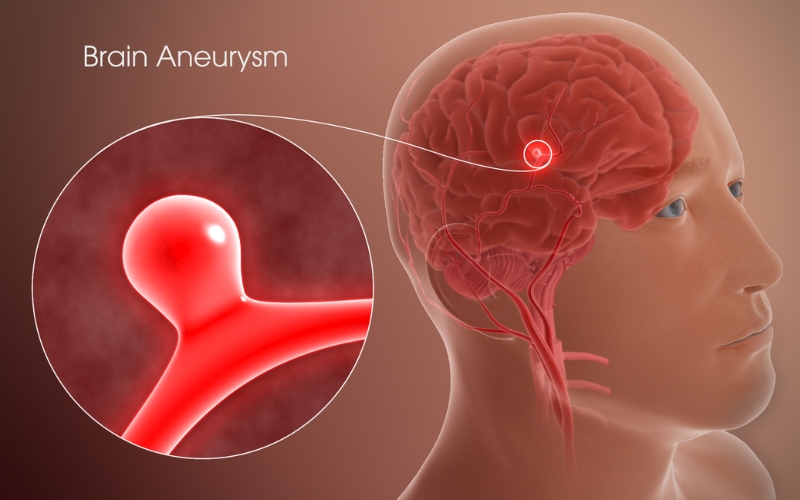
A brain aneurysm is a weakened or bulging area in the wall of a blood vessel in the brain. Over time, this weakened section can enlarge due to blood pressure, forming a balloon-like structure. If left untreated, it may rupture, leading to internal bleeding in the brain.
Causes and Risk Factors to Be Aware Of
Several factors can increase the risk of developing an aneurysm, including high blood pressure, smoking, genetic predisposition, aging, and certain medical conditions. Lifestyle factors and uncontrolled chronic diseases can further weaken blood vessel walls, making early awareness essential.
Early Warning Signs That Should Not Be Ignored
Many aneurysms do not cause symptoms until they become large or rupture. However, some individuals may experience headaches, vision problems, facial pain, or neurological disturbances. These symptoms should be evaluated promptly.
Risks of Rupture and Life-Threatening Complications
A ruptured aneurysm can lead to a hemorrhagic stroke, which is a medical emergency. It can cause severe brain damage, loss of consciousness, or even death. This highlights the importance of early detection and preventive treatment.
Importance of Early Diagnosis
Clinical Evaluation and Neurological Assessment
A thorough clinical evaluation helps identify risk factors and neurological symptoms. Early consultation with a specialist ensures timely intervention and reduces complications.
Role of Advanced Imaging Techniques
Modern imaging methods such as CT scans, MRI, and cerebral angiography provide detailed visualization of blood vessels, helping doctors accurately diagnose aneurysms and plan treatment effectively.
Treatment Options for Brain Aneurysms
Conservative Monitoring in Select Cases
Small, stable aneurysms may be monitored with regular imaging and lifestyle management to reduce the risk of growth or rupture.
Traditional Surgical Clipping and Its Limitations
Surgical clipping involves placing a clip at the base of the aneurysm through open brain surgery. While effective, it requires a longer recovery period and carries higher surgical risks.
Minimally Invasive Endovascular Approaches
Modern treatment methods focus on accessing the aneurysm through blood vessels using catheters, avoiding the need for large incisions and reducing recovery time.
Flow Diverter Technology: A Game-Changer in Treatment
What Is Flow Diverter Stenting?
Flow diverter stenting is an advanced, minimally invasive technique that redirects blood flow away from the aneurysm. A specialized stent is placed within the artery, reducing pressure on the aneurysm and promoting natural healing over time.
How the PAE Procedure Works Step by Step
A catheter is inserted through a small puncture, usually in the groin, and guided to the affected artery. The flow diverter device is then carefully positioned across the aneurysm, allowing blood to flow normally through the artery while reducing flow into the aneurysm sac.
Who Is an Ideal Candidate for This Treatment?
This technique is especially beneficial for patients with large, wide-necked, or complex aneurysms that may not be suitable for traditional treatments. A specialist evaluates each case to determine the best approach.
Benefits of Advanced Endovascular Treatment
Reduced Surgical Risk and Minimally Invasive Approach
The procedure avoids open surgery, reducing complications and making it safer for many patients.
Faster Recovery and Shorter Hospital Stay
Most patients recover quickly and can return to daily activities sooner compared to traditional surgery.
Improved Long-Term Outcomes
By promoting natural healing of the blood vessel, this technique offers durable and effective results in managing aneurysms.
Choosing the Right Specialist for Neurovascular Care
Importance of Expertise in Complex Brain Procedures
Managing brain aneurysms requires a high level of precision and expertise. Choosing a specialist experienced in advanced endovascular techniques ensures accurate diagnosis and safe treatment.
Personalized Treatment Planning and Patient Safety
Doctors like Dr. Dharav Kheradia focus on individualized care, evaluating each patient’s condition in detail and recommending the most suitable treatment approach. This patient-centered strategy improves outcomes and ensures long-term safety.
Recovery and Long-Term Monitoring
What to Expect After the Procedure
Patients are usually monitored for a short period after the procedure. Recovery is relatively quick, with minimal discomfort and early return to normal activities.
Follow-Up Care and Lifestyle Considerations
Regular follow-ups, imaging studies, and lifestyle modifications such as controlling blood pressure and avoiding smoking are essential for long-term success.
Conclusion
Taking a Proactive Step Toward Brain Health and Safety
Brain aneurysms can be life-threatening if left untreated, but modern medical advancements have made their management safer and more effective than ever before. Minimally invasive techniques like flow diverter stenting offer new hope for patients, reducing risks and improving recovery.
With timely diagnosis and expert care, individuals can protect their brain health and lead a safer, healthier life. Early action and the right medical guidance make all the difference in preventing serious complications.