
What is Biopsy? How is it done using Sonography or CT Scan?
Introduction
A biopsy is one of the most important diagnostic procedures in modern medicine, helping doctors identify the exact nature of abnormal tissues inside the body. Whether it is a suspicious lump, swelling, or unexplained lesion, a biopsy provides clarity by examining a small tissue sample under a microscope. Today, with advancements in imaging technology, biopsies are performed with greater precision and safety using techniques like sonography (ultrasound) and CT scans.
What Is a Biopsy?
Definition and Purpose of a Biopsy
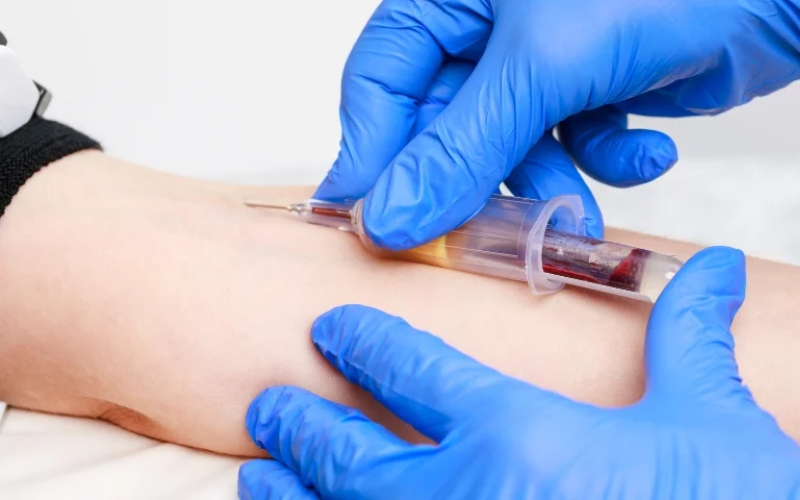
A biopsy is a medical procedure in which a small sample of tissue or cells is removed from the body for detailed laboratory analysis. It helps doctors determine whether a condition is benign (non-cancerous), malignant (cancerous), inflammatory, or infectious.
Why Doctors Recommend a Biopsy
Doctors may recommend a biopsy when imaging tests such as ultrasound, CT scan, or MRI detect an abnormal growth or suspicious area. It is considered the most reliable method to confirm diagnoses, especially in cases of tumors, infections, or chronic diseases.
When Is a Biopsy Needed?
Common Conditions That Require Tissue Diagnosis
Biopsies are commonly used to evaluate lumps in organs like the liver, lungs, breast, thyroid, or lymph nodes. They also help diagnose infections, autoimmune diseases, and unexplained swelling.
Role in Detecting Serious Conditions
In many cases, early detection through biopsy plays a crucial role in identifying cancer at an early stage. This allows doctors to plan timely and appropriate treatment, improving patient outcomes.
Image-Guided Biopsy: A Modern Approach
What Is Image-Guided Biopsy?
Image-guided biopsy is an advanced technique where imaging tools such as ultrasound (sonography) or CT scans are used to guide the needle precisely to the targeted area. This improves accuracy and reduces the chances of error.
Advantages of Image Guidance
Using real-time imaging ensures that the correct tissue is sampled, even from deep or difficult-to-reach areas. It minimizes damage to surrounding tissues and makes the procedure safer and more effective.
How Biopsy Is Performed Using Sonography
Step-by-Step Procedure
In a sonography-guided biopsy, the doctor uses ultrasound to locate the exact position of the abnormal tissue. The skin is cleaned, and local anesthesia is given to numb the area. A thin needle is then inserted while watching the movement on the ultrasound screen, ensuring precise placement. The required tissue sample is collected and sent for analysis.
Benefits of Sonography-Guided Biopsy
This method is widely used because it is safe, quick, and does not involve radiation. It is especially useful for soft tissue areas such as the thyroid, breast, or abdomen. Patients usually experience minimal discomfort and can return home the same day.
How Biopsy Is Performed Using CT Scan
Step-by-Step Procedure
In a CT-guided biopsy, detailed cross-sectional images help locate deep-seated or complex lesions. The patient is positioned on the CT table, and scans are taken to identify the target area. Under imaging guidance, a needle is carefully inserted to collect the tissue sample with high precision.
When CT-Guided Biopsy Is Preferred
CT-guided biopsy is particularly useful for areas that are difficult to access with ultrasound, such as the lungs, bones, or deep abdominal organs. It provides highly accurate results in complex cases.
Safety, Risks, and Recovery
Is Biopsy Safe?
Biopsy procedures are generally very safe, especially when performed under image guidance. Minor risks such as slight bleeding, bruising, or infection may occur, but serious complications are rare.
What to Expect After the Procedure
Most patients can resume normal activities within a day. Mild soreness at the biopsy site is common but usually resolves quickly. Doctors may provide simple aftercare instructions to ensure smooth recovery.
Choosing the Right Specialist for Accurate Diagnosis
Importance of Expertise in Image-Guided Procedures
The success of a biopsy largely depends on the accuracy and experience of the specialist performing it. Skilled doctors use advanced imaging techniques to ensure precise sampling and reliable results.
Focus on Patient Comfort and Care
A patient-centered approach, proper guidance, and clear communication help reduce anxiety and ensure a comfortable experience throughout the procedure.
Conclusion
The Importance of Early and Accurate Diagnosis
A biopsy is a powerful diagnostic tool that provides clarity and direction for treatment. With modern techniques like sonography and CT-guided procedures, biopsies have become safer, quicker, and more accurate than ever before. Early diagnosis through these methods can make a significant difference in treatment outcomes, helping patients take the right steps toward better health.