
The Impact of Smoking on Vascular Health
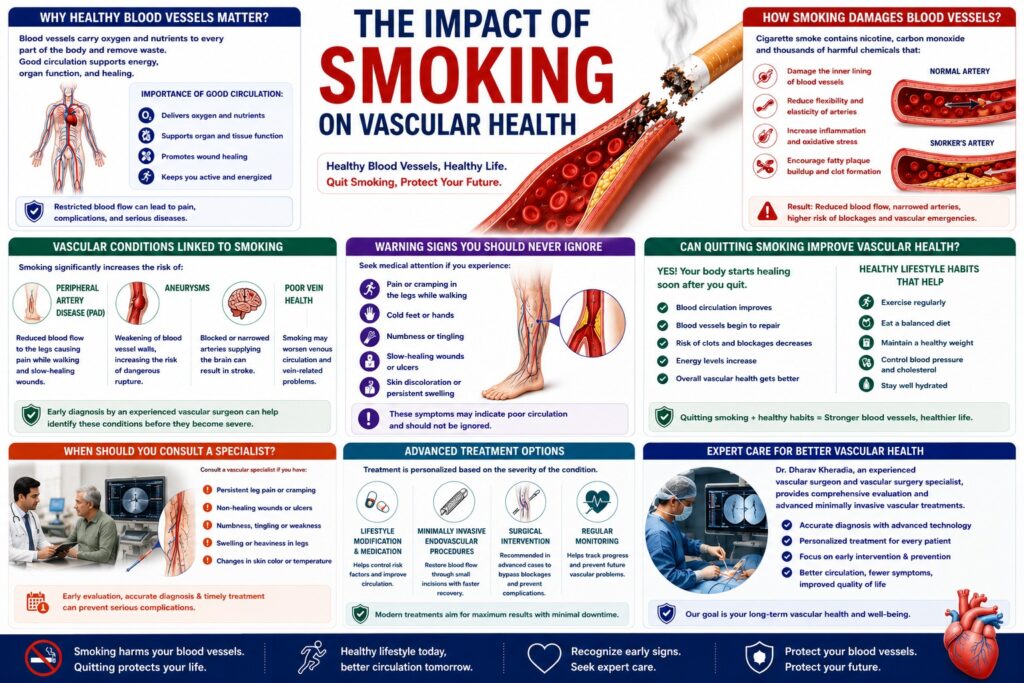
Introduction
Smoking is widely recognized for its harmful effects on the lungs and heart, but its impact on the blood vessels is often overlooked. Every cigarette exposes the body to harmful chemicals that damage the arteries and veins, affecting blood circulation and increasing the risk of serious vascular conditions.
Healthy blood vessels are essential for delivering oxygen and nutrients throughout the body. When smoking interferes with this process, it can lead to poor circulation, delayed healing, and life-threatening complications. Understanding these risks is the first step toward protecting your vascular health and making informed lifestyle choices.
Why Healthy Blood Vessels Matter?
Blood vessels form a vast network that carries oxygen-rich blood from the heart to every organ and tissue. They also return oxygen-poor blood back to the heart and lungs. Healthy circulation is essential for maintaining energy levels, supporting organ function, and promoting wound healing.
Importance of Good Circulation:
When blood flow is restricted, tissues receive less oxygen and nutrients. Over time, this can affect mobility, increase pain, and contribute to several vascular diseases.
How Smoking Damages Blood Vessels?
Cigarette smoke contains thousands of harmful substances, including nicotine and carbon monoxide. These chemicals damage the inner lining of blood vessels, making them less flexible and more prone to narrowing.
Reduced Blood Flow and Artery Narrowing:
Smoking encourages the buildup of fatty deposits inside the arteries, reducing blood flow to different parts of the body. It also increases the risk of blood clot formation, which can block circulation and lead to serious medical emergencies
Vascular Conditions Linked to Smoking:
Smoking significantly increases the likelihood of developing several vascular disorders, including:
- Peripheral Artery Disease (PAD): Reduced blood flow to the legs, causing pain while walking and slow-healing wounds.
- Aneurysms: Weakening of blood vessel walls, increasing the risk of dangerous rupture.
- Stroke: Blocked or narrowed arteries supplying the brain can result in stroke.
- Poor Vein Health: Smoking may also worsen venous circulation, contributing to chronic vein-related problems.
Early diagnosis by an experienced vascular surgeon can help identify these conditions before they become severe
Warning Signs You Should Never Ignore:
Many vascular conditions develop gradually. Seeking medical advice is important if you experience:
- Pain or cramping in the legs while walking
- Cold feet or hands
- Numbness or tingling
- Slow-healing wounds or ulcers
- Skin discoloration or persistent swelling
These symptoms may indicate poor circulation and should not be ignored.
Can Quitting Smoking Improve Vascular Health?
The good news is that the body begins to recover soon after quitting smoking. Blood circulation gradually improves, and the risk of further damage starts to decrease.
Along with quitting smoking, adopting healthy lifestyle habits can further support vascular health:
- Engage in regular physical activity.
- Eat a balanced diet rich in fruits and vegetables.
- Maintain a healthy weight.
- Keep blood pressure and cholesterol under control.
- Stay well hydrated.
Although existing vascular disease may still require treatment, stopping smoking greatly improves long-term outcomes.
When Should You Consult a Specialist?
Persistent leg pain, non-healing wounds, or symptoms of poor circulation should always be evaluated by a healthcare professional. Early assessment allows timely diagnosis and appropriate treatment before complications develop.
Consulting a qualified vascular surgery specialist ensures a comprehensive evaluation using advanced diagnostic techniques and helps determine the most suitable treatment based on your condition.
Advanced Treatment Options
Treatment depends on the severity of vascular disease and may include lifestyle modification, medications, or minimally invasive endovascular procedures that restore healthy blood flow with shorter recovery times. In advanced cases, surgical intervention may be recommended to prevent further complications.
Expert Care for Better Vascular Health
Managing vascular disease requires timely diagnosis and an individualized treatment approach. Dr. Dharav Kheradia, an experienced vascular surgeon and vascular surgery specialist, provides comprehensive evaluation and advanced minimally invasive vascular treatments tailored to each patient’s condition. His focus on early diagnosis and evidence-based care helps patients improve circulation, reduce symptoms, and lower the risk of future vascular complications.
Taking the First Step Toward Healthier Blood Vessels
Smoking is one of the most significant yet preventable risk factors for vascular disease. Quitting smoking, recognizing early warning signs, and seeking timely medical care can greatly reduce the risk of serious complications.
By making healthier lifestyle choices and consulting a specialist when needed, you can protect your blood vessels, improve circulation, and support your overall health for years to come.