
Fast Healer or Slow Recoverer? The Real Reasons Behind Your Body's Repair Speed
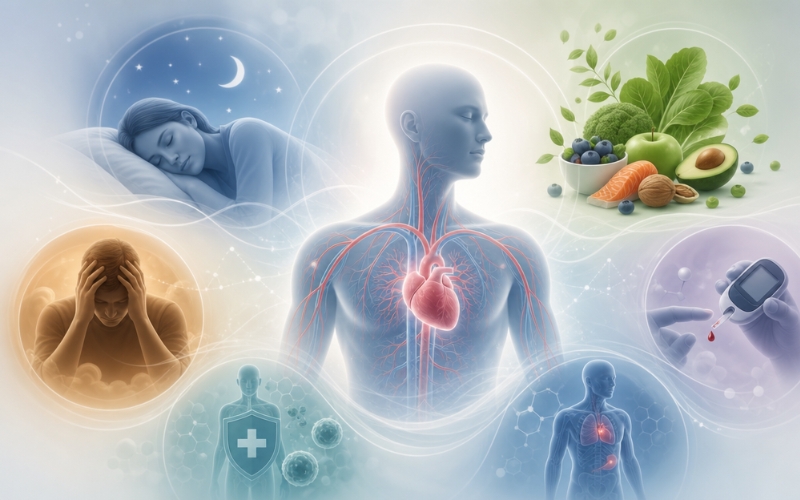
Introduction: Healing Is Not the Same for Everyone
You and a colleague both sprain an ankle on the same day. You are back on your feet in three weeks. They are still limping after two months. Same injury. Same treatment. Completely different outcomes.
This is not unusual and it is not random. The speed at which your body heals is determined by a complex web of biological, lifestyle, and medical factors working together behind the scenes. Understanding those factors is the first step toward taking control of your own recovery.
Why Two People With the Same Injury Recover at Different Speeds
Healing is not a single process. It is a coordinated sequence inflammation, tissue rebuilding, and remodelling that depends on the quality of your blood supply, the strength of your immune system, your hormonal balance, and dozens of other variables. When any one of these is compromised, the entire chain slows down.
What Your Body Is Actually Doing When It Heals
From the moment tissue is damaged, your body launches a repair operation. White blood cells rush to the site to fight infection. Growth factors signal new cell production. Blood vessels deliver oxygen and nutrients. Collagen fibres rebuild structure. This process is elegant but it is also fragile, and many everyday factors can disrupt it significantly.
Circulation: The Foundation of Fast Healing
How Blood Flow Delivers the Building Blocks of Recovery
Think of your circulatory system as a supply chain. Every nutrient, immune cell, oxygen molecule, and growth factor your healing tissue needs arrives via the bloodstream. Strong, healthy circulation means faster delivery and faster repair. Weak or restricted circulation means the repair crew arrives late, underpowered, or not at all.
Poor Circulation and Slow Healing - The Direct Connection
People with poor circulation whether from sedentary lifestyle, arterial narrowing, or vascular disease consistently heal more slowly. Wounds that should close in days remain open for weeks. Infections take hold more easily. Tissue that should regenerate struggles to receive the signals and supplies it needs.
Vascular Health: Why Your Arteries and Veins Matter More Than You Think
Your arteries and veins are not just passive pipes. They actively regulate blood flow, respond to injury signals, and support the immune response. Conditions like peripheral artery disease, venous disorders, and arterial stiffness significantly reduce healing capacity often before patients are even aware they have a vascular problem. Protecting your vascular health is one of the most powerful things you can do for long-term recovery ability.
Sleep: The Underestimated Healer
What Happens Inside Your Body While You Sleep
Sleep is not downtime it is prime repair time. During deep sleep, your body releases human growth hormone, which drives tissue regeneration and muscle repair. Immune activity peaks. Inflammation is regulated. Cellular damage accumulated during the day is addressed and corrected. Consistently good sleep is one of the most powerful biological tools available for healing.
How Sleep Deprivation Slows Tissue Repair and Immune Response
Studies show that even moderate sleep deprivation fewer than six hours per night measurably slows wound healing, suppresses immune function, and increases levels of inflammatory markers in the blood. Patients recovering from surgery or injury who sleep poorly consistently take longer to heal than those who prioritize rest. If you are not sleeping well, your body is not healing well.
Nutrition: You Heal What You Eat
Key Nutrients That Directly Support Wound and Tissue Healing
Your body cannot build new tissue from nothing. It needs raw materials and those come from what you eat. Vitamin C is essential for collagen synthesis, the structural protein that rebuilds skin, tendons, and blood vessels. Zinc supports immune function and cell division. Protein provides the amino acids needed to construct new tissue. Iron carries oxygen to healing cells. A diet deficient in any of these slows recovery measurably.
Foods That Fight Inflammation and Foods That Make It Worse
Inflammation is a necessary part of healing but chronic, diet-driven inflammation gets in the way. Processed foods, refined sugars, and trans fats promote systemic inflammation that interferes with the body’s repair signals. On the other hand, foods rich in omega-3 fatty acids, antioxidants, and polyphenols think oily fish, leafy greens, berries, and nuts actively support the healing environment your body needs.
Stress: The Hidden Barrier to Recovery
How Chronic Stress Disrupts the Body's Repair Mechanisms
When you are under stress, your body prioritizes survival over maintenance. The fight-or-flight response redirects resources away from digestion, immune function, and tissue repair toward immediate threat response. In short bursts, this is manageable. But chronic stress keeps your body in a state of sustained alarm, leaving the repair systems perpetually underfunded.
The Cortisol-Healing Connection: What the Research Shows
Cortisol the primary stress hormone actively suppresses immune function and slows collagen production when elevated for prolonged periods. Research consistently shows that patients under high psychological stress heal significantly more slowly after surgery or injury. Managing stress is not just good for mental health it is a direct medical strategy for faster physical recovery.
Diabetes and Underlying Health Conditions
Why Diabetic Patients Heal Slower and the Vascular Reason Behind It
Diabetes impairs healing through multiple pathways simultaneously. High blood sugar damages the walls of small blood vessels, reducing circulation to healing tissue. It also impairs white blood cell function, weakens the immune response, and disrupts nerve signaling. The result is that even minor wounds a small cut or blister can become serious, slow-healing problems for diabetic patients. Diabetic foot ulcers are one of the leading causes of non-traumatic limb amputation worldwide, making blood sugar management a critical part of wound care.
Other Conditions That Quietly Impair the Healing Process
Diabetes is not alone. Autoimmune conditions, chronic kidney disease, obesity, anaemia, and heart disease all compromise the body’s ability to heal efficiently. Many patients are unaware that an underlying condition is slowing their recovery making it essential to investigate persistent or unexplained slow healing with a doctor.
Lifestyle Choices That Speed Up or Slow Down Healing
Smoking, Alcohol, and Sedentary Habits How They Stall Recovery
Smoking is one of the most damaging things you can do to your healing capacity. Nicotine constricts blood vessels, reducing oxygen delivery to tissue directly impairing every stage of wound repair. Heavy alcohol consumption depletes healing nutrients, suppresses immune function, and disrupts sleep. A sedentary lifestyle weakens circulation and reduces the cardiovascular fitness that underpins efficient healing.
Exercise, Hydration, and Daily Habits That Accelerate Healing
Regular moderate exercise improves circulation, reduces chronic inflammation, supports immune health, and keeps blood vessels flexible and responsive. Staying well-hydrated ensures that blood remains fluid enough to deliver nutrients efficiently. Small daily habits consistent sleep schedules, stress management, balanced meals compound over time into a body that heals faster, more completely, and with fewer complications.
What You Can Do Starting Today
Practical Steps to Improve Your Body's Healing Ability
You do not need to overhaul your entire life overnight. Start with the fundamentals:
- Prioritize 7–9 hours of quality sleep every night
- Eat a protein-rich, anti-inflammatory diet with plenty of vegetables and healthy fats
- Move your body daily even a 30-minute walk improves circulation significantly
- Manage stress actively through breathing techniques, exercise, or professional support
- Stay hydrated aim for 6–8 glasses of water daily
- Quit smoking the single most impactful change for vascular and healing health
When Slow Healing Is a Warning Sign Worth Discussing With a Doctor
If a wound is not closing within a reasonable timeframe, if you notice recurring infections, persistent swelling, or cold and discoloured extremities do not dismiss these signs. Slow healing can be an early indicator of vascular disease, diabetes, or another underlying condition that deserves proper medical attention. A vascular doctor can assess your circulation and identify whether a treatable condition is holding your recovery back.
Your body wants to heal. Give it the right conditions and if something is getting in the way, find out what it is.