Advanced Minimally Invasive Solutions for Chronic Knee Pain
Introduction
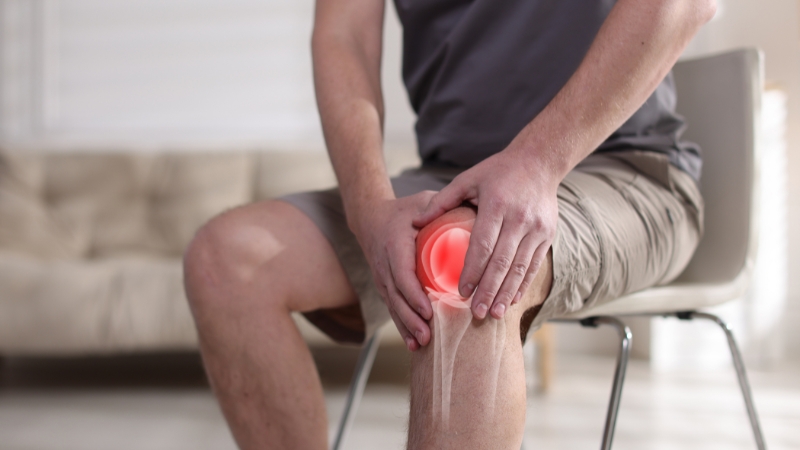
Chronic knee pain is a leading cause of reduced mobility and diminished quality of life, particularly among individuals suffering from osteoarthritis. Persistent discomfort, stiffness, swelling, and difficulty walking can interfere with daily activities and overall independence. While pain medications, physiotherapy, and injections may provide temporary relief, they often do not address the underlying inflammatory process responsible for ongoing symptoms.
Advancements in interventional radiology have introduced a modern, minimally invasive option known as Genicular Artery Embolization (GAE). This targeted vascular procedure focuses on reducing inflammation within the knee joint, offering meaningful pain relief without major surgery.
Understanding Chronic Knee Pain
Knee pain can arise from ligament injuries, cartilage damage, meniscal tears, or degenerative joint disease. Osteoarthritis is the most common cause, particularly in middle-aged and elderly individuals. As cartilage wears down over time, bones begin to rub against each other, triggering inflammation and pain.
Common symptoms include
- Persistent stiffness
- Swelling around the knee
- Pain during movement or weight-bearing
- Reduced flexibility
- Difficulty climbing stairs or standing for long periods
When conservative management no longer provides sufficient relief, patients often begin exploring alternative treatment options.
When Conservative Treatments Are Not Enough
Initial management strategies typically include:
- Anti-inflammatory medications
- Physical therapy
- Lifestyle modifications
- Weight management
- Steroid or hyaluronic acid injections
Although these methods may help in early stages, they may lose effectiveness as osteoarthritis progresses. Knee replacement surgery is often suggested in advanced cases. However, not every patient is ready or medically suitable for joint replacement due to age, underlying health conditions, or personal preference.Minimally invasive procedures like GAE offer an intermediate solution between conservative therapy and major surgery.
What Is Genicular Artery Embolization (GAE)?
Genicular Artery Embolization is an image-guided, catheter-based procedure that reduces abnormal blood flow contributing to inflammation in the knee.Research has shown that in osteoarthritis, small blood vessels around the knee (genicular arteries) may become enlarged and inflamed, increasing pain signals. GAE works by selectively blocking these abnormal vessels, reducing inflammation and alleviating discomfort while preserving healthy circulation.The procedure is performed under local anesthesia and does not require open surgery.
Step-by-Step Overview of the Procedure
Pre-Procedure Evaluation
A detailed clinical examination and imaging studies are conducted to confirm osteoarthritis severity and determine whether GAE is appropriate for the patient.
Catheter-Based Treatment
A small catheter is inserted through a tiny puncture, usually in the groin. Using real-time imaging guidance, the interventional specialist navigates to the arteries supplying the knee and injects microscopic embolic particles to reduce abnormal blood flow.The procedure generally takes one to two hours, and most patients return home the same day.
Recovery and Aftercare
Patients typically resume light activities within a few days. Mild soreness may occur temporarily but usually resolves quickly. Follow-up evaluations monitor progress and symptom improvement.
Benefits of Genicular Artery Embolization
GAE offers several advantages over traditional surgical approaches, making it an increasingly preferred option for suitable candidates.
Minimally Invasive
The procedure involves no large incisions, stitches, or joint removal. A small puncture site is sufficient, resulting in minimal scarring and significantly reduced hospital stay. Most patients are discharged on the same day.
Faster Recovery
Compared to knee replacement surgery, recovery after GAE is considerably quicker. Patients can often return to daily routines and light physical activity within days, rather than weeks or months.
Reduced Pain and Improved Mobility
By directly targeting inflammation at its source, GAE helps decrease pain signals and swelling within the joint. Many patients experience noticeable pain relief, improved flexibility, and better overall mobility within weeks of the procedure.
Lower Risk Compared to Major Surgery
GAE avoids the risks associated with general anesthesia, major incisions, blood loss, and prolonged hospitalization. This makes it particularly beneficial for elderly individuals or those with medical conditions that increase surgical risk.
Potential to Delay or Avoid Joint Replacement
For selected patients, GAE may help postpone or even eliminate the need for knee replacement surgery by effectively managing symptoms and improving joint function.For individuals exploring advanced knee pain treatment in Mumbai, minimally invasive vascular techniques like GAE provide an innovative and effective option before considering joint replacement.
Who Is an Ideal Candidate?
GAE is generally recommended for:
- Patients with moderate to severe osteoarthritis
- Individuals not responding adequately to conservative therapy
- Patients wishing to delay knee replacement
- Those who are not ideal candidates for major orthopedic surgery
A comprehensive evaluation helps determine the most appropriate treatment plan.
Long-Term Outcomes and Follow-Up
Clinical studies have demonstrated promising results, with many patients reporting sustained pain relief and improved mobility. While outcomes vary, most individuals notice gradual improvement within weeks.Maintaining a healthy weight, engaging in low-impact exercises, and attending regular follow-up appointments contribute to long-term joint health.
Conclusion
Chronic knee pain can significantly impact independence and overall well-being. Fortunately, medical advancements now offer minimally invasive alternatives that effectively target inflammation without major surgery.
Genicular Artery Embolization represents a modern, evidence-based solution for managing osteoarthritis-related knee pain. With expert evaluation and personalized care, patients can regain mobility, reduce discomfort, and improve their quality of life without the extended recovery associated with joint replacement.