
Uterine Fibroids Treatment Doctor in India
Understanding Uterine Fibroids
Uterine fibroids are non-cancerous growths that develop in or around the uterus, commonly affecting women during their reproductive years. They can cause symptoms such as heavy menstrual bleeding, pelvic pain, frequent urination, or fertility concerns, though some women may have no symptoms at all. Early evaluation and timely care from an experienced uterine fibroids treatment doctor in India can help manage symptoms effectively and prevent complications, ensuring better reproductive health and overall well-being. With advanced treatment options available, women can achieve relief from symptoms and maintain a better quality of life with proper medical guidance.
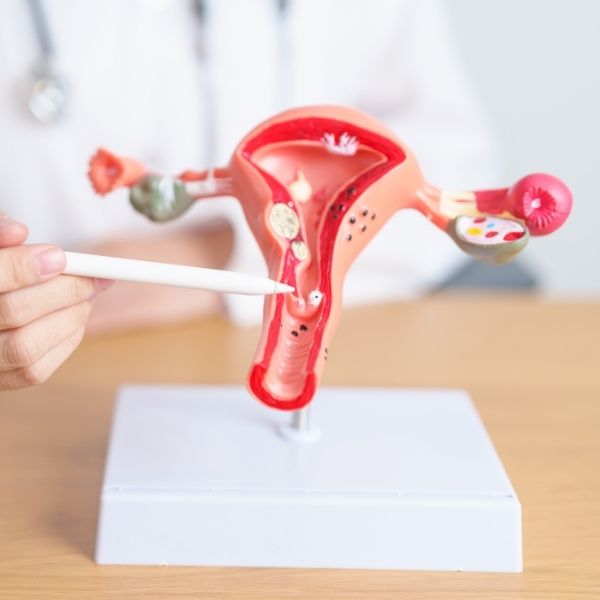
What Are Uterine Fibroids?
Uterine fibroids are non-cancerous growths that develop within or on the walls of the uterus and can vary in size from small nodules to larger masses that may cause abdominal swelling. Many women may not experience symptoms, but when fibroids grow, they can lead to heavy menstrual bleeding, pelvic pain, frequent urination, and fertility-related concerns. Seeking uterine fibroids treatment in India from an experienced specialist ensures access to advanced diagnostic methods and modern treatment options. Early medical consultation helps manage symptoms effectively, prevent complications, and improve overall reproductive health and quality of life.
Symptoms of Uterine Fibroids
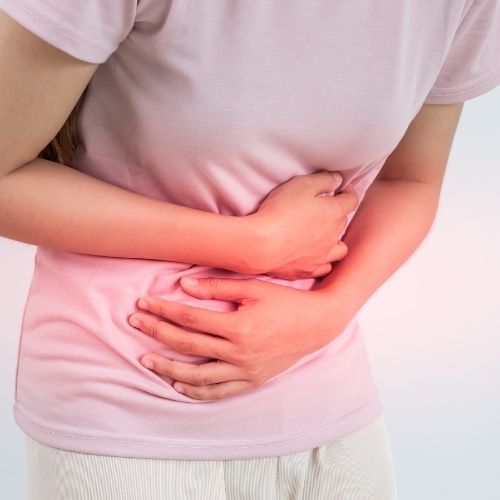
Heavy Menstrual Bleeding
Prolonged or intense periods that can lead to anemia and fatigue.

Frequent Urination
Larger fibroids may press on the bladder, causing increased urgency or frequency.
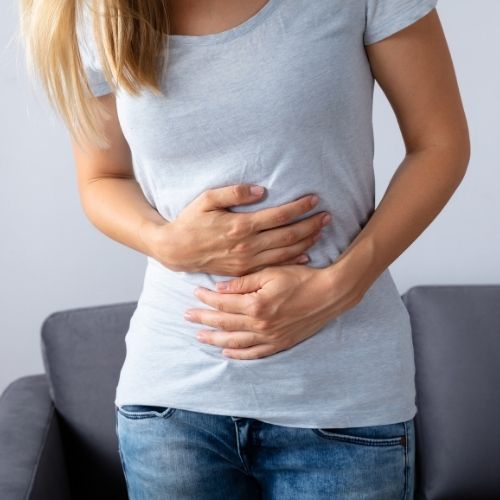
Pelvic Pain or Pressure
Persistent discomfort or a sense of fullness in the lower abdomen or back.
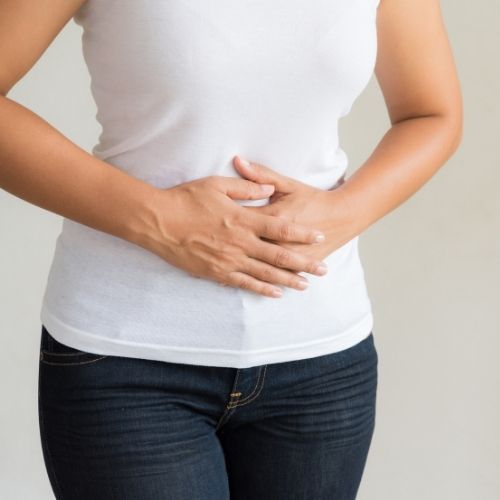
Bloating or Abdominal Enlargement
Fibroids can make the abdomen feel swollen, causing discomfort and affecting posture.
What Causes Uterine Fibroids?
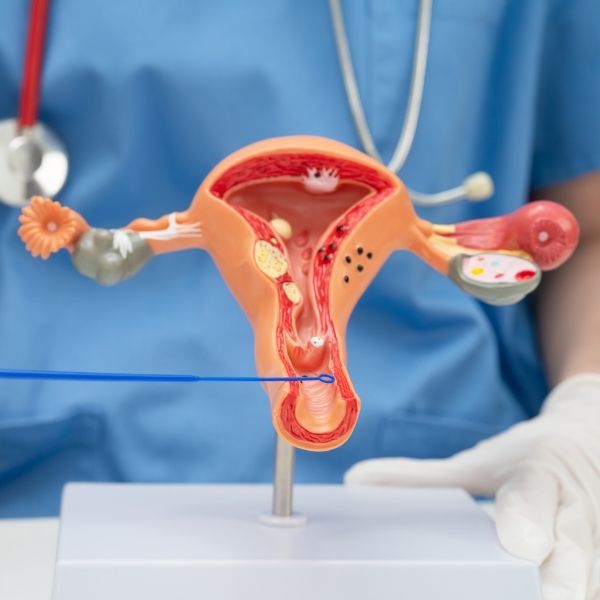
The exact cause of fibroids is not fully understood, but several factors contribute to their growth. Hormonal imbalances, particularly higher levels of estrogen and progesterone, play a significant role. Genetic factors, age, and lifestyle influences such as obesity and sedentary habits can also increase susceptibility. Fibroids tend to grow during reproductive years and may shrink after menopause when hormone levels decrease. Regular medical evaluation can help in early detection and better management of symptoms, preventing potential complications.
Causes and Risk Factors
Uterine fibroids often develop due to hormonal and genetic influences such as:
Age
Women in their 30s and 40s are more likely to develop fibroids.
Family History
Genetics can increase the likelihood of fibroid formation.
Hormonal Factors
Elevated estrogen and progesterone levels can promote growth.
Lifestyle Factors
Obesity, poor diet, and low physical activity may contribute to fibroid development.
- Age
Women in their 30s and 40s are more likely to develop fibroids.
- Family History
Genetics can increase the likelihood of fibroid formation.
- Hormonal Factors
Elevated estrogen and progesterone levels can promote growth.
- Lifestyle Factors
Obesity, poor diet, and low physical activity may contribute to fibroid development.
Complications
If left untreated, fibroids may lead to:
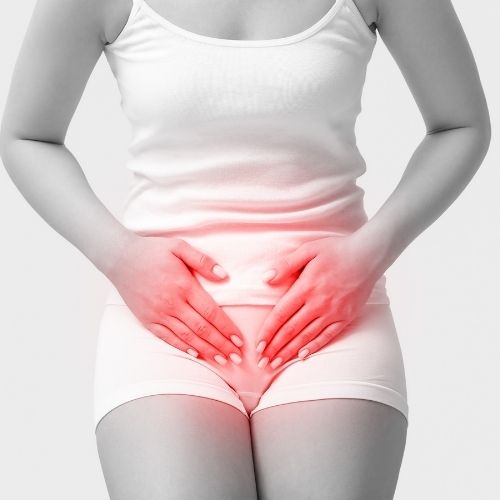
Heavy and Prolonged Menstrual Bleeding
Untreated fibroids can cause excessive menstrual bleeding, which may lead to anemia, fatigue, and weakness over time.
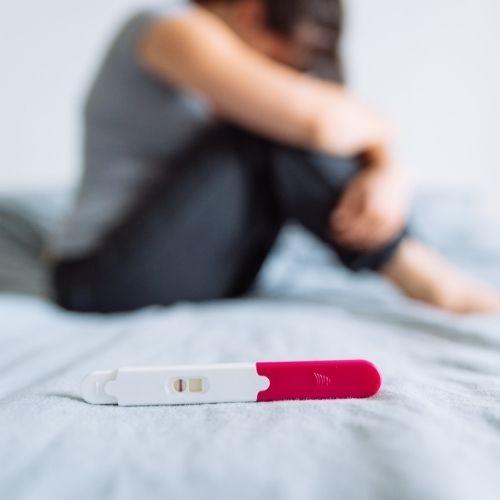
Fertility and Pregnancy Problems
Fibroids may interfere with conception or cause complications during pregnancy by affecting implantation or uterine space.

Bladder and Bowel Problems
Large fibroids may press on the bladder or rectum, leading to frequent urination, constipation, or difficulty emptying the bladder.

Pelvic Pain and Pressure
Growing fibroids can press on nearby organs, causing persistent pelvic discomfort, bloating, and back pain.
Treatment Options For Uterine Fibroids
Treatment for uterine fibroids is individualized based on the size, location, symptoms, and patient preferences. A thorough assessment ensures the most appropriate care plan.
- Surgery : Surgical options such as myomectomy (removal of fibroids while preserving the uterus) or hysterectomy (complete removal of the uterus)
- Non-Surgical Treatments : Minimally invasive procedures like Uterine Fibroid Embolization (UFE) block the blood supply to fibroids, causing them to shrink without major surgery.
- Medicines
Advanced non-surgical treatments for the healthy reproductive life, consult an experienced uterine fibroids treatment doctor in India for IR procedures.
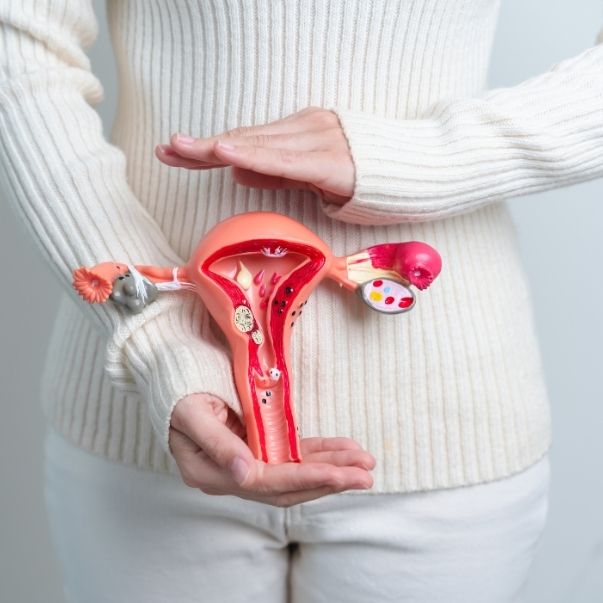
Get Back to Comfort - Gentle Care for Fibroids Symptoms
Uterine Fibroid Embolization (UFE)
Embolization refers to the blocking of blood vessels supplying a specific organ to achieve a therapeutic effect. In fibroid embolization, the blood supply to the uterus is restricted to help shrink fibroids and relieve symptoms.
Pre-Procedure Tests:
- Gynec examination and MRI – to rule out other causes of symptoms
- Urine test to rule out infection
- Routine blood tests
- Pregnancy test

Why Consult Dr. Dharav Kheradia For Uterine Fibroids Treatment?
Dr. Dharav is a leading specialist in fibroid management, with extensive experience in treating uterine fibroids using advanced and minimally invasive techniques. Patients choose him for:
01. Personalized treatment planning
Each patient receives a personalized treatment plan based on detailed evaluation of fibroid size, symptoms, location, and overall uterine health rather than a generic treatment approach.
02. Expertise in minimally invasive techniques
Dr. Dharav specializes in minimally invasive, image-guided treatments for fibroids, including uterine fibroid embolization and other advanced interventional techniques, ensuring safe and effective treatment outcomes.
03. Focus on safety and comfort
Treatments are planned to ensure minimal discomfort, prioritizing patient safety, shorter downtime, and quicker recovery.
04. Comprehensive follow-up care
Regular follow-up care helps monitor recovery, lowers the chances of recurrence, and supports long-term overall health and treatment success.
Dr. Dharav Kheradia
Sharing Insights
Advanced Interventions. Safer Outcomes.
Answers to Your Most Common Questions
Are uterine fibroids cancerous?
No, fibroids are generally benign and not linked to uterine cancer. However, regular medical checkups are recommended to monitor their size and symptoms, ensuring early management if any complications develop. Early diagnosis and proper treatment help maintain better reproductive health and overall well-being.
Can fibroids affect fertility?
Large or multiple fibroids may interfere with pregnancy, but many women with fibroids can conceive naturally or with treatment.
How long is recovery after UFE?
Most patients resume daily activities within a few days to a week, with minimal discomfort.
Are there non-surgical options for women who wish to avoid surgery?
Yes, treatments like UFE and certain medications can effectively manage fibroids without surgery.
When should I consult a doctor for fibroids?
If you experience heavy bleeding, pelvic pain, frequent urination, or difficulty conceiving, consult an experienced fibroid specialist promptly.
Why should I consider Dr. Dharav Kheradia for uterine fibroids treatment in India?
Dr. Dharav Kheradia is a leading uterine fibroids treatment doctor in India, with extensive expertise in both surgical and minimally invasive procedures. His patient-focused approach ensures personalized care, faster recovery, and optimal outcomes for women across India.
Can I consult Dr. Dharav from outside India?
Yes, international patients can book online consultations or travel for in-person treatment.
Dr. Dharav Kheradia

Book your consultation with Dr. Dharav Kheradia - Uterine Fibroids Treatment Doctor in India today and experience personalized, advanced care. Your journey to better health starts here.
Book Your Consultation With Dr. Dharav
Begin Your Journey Towards Fibroid Relief and Better Health