
How to Improve Vascular Health in Legs?
Introduction
Healthy blood circulation is essential for keeping your legs strong, active, and free from discomfort. Your blood vessels carry oxygen and nutrients to the muscles and tissues, helping them function properly. When circulation is affected, it can lead to pain, swelling, fatigue, and other vascular problems that may interfere with daily life.
Fortunately, improving vascular health often begins with simple lifestyle changes and timely medical care. Understanding the causes of poor circulation and recognizing early warning signs can help prevent complications and support long-term leg health.
Why Good Blood Circulation in the Legs Matters?
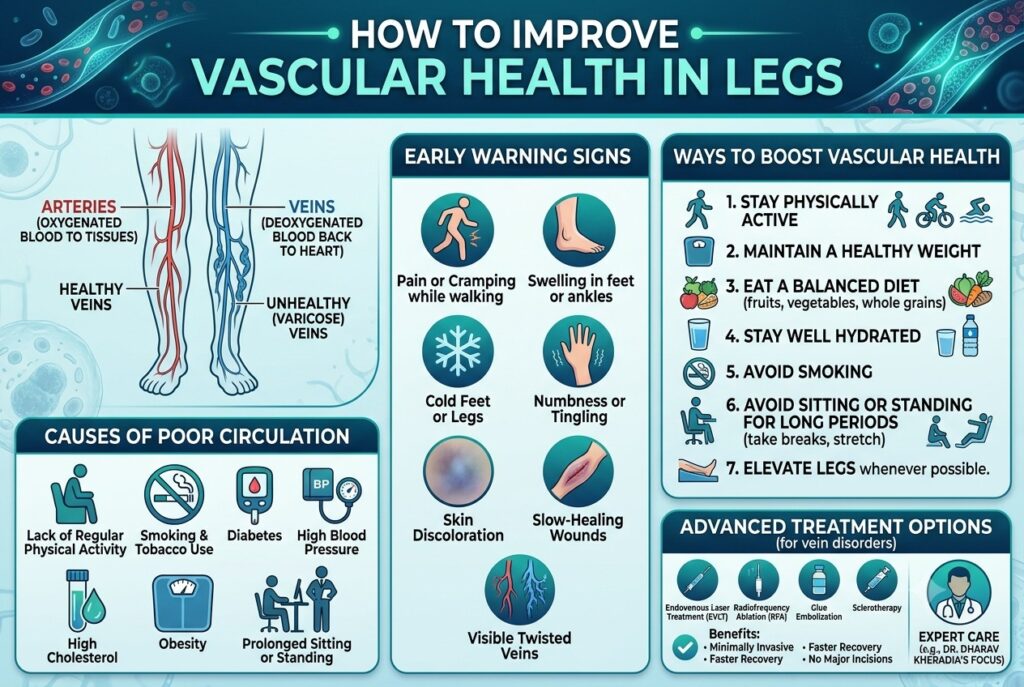
Arteries deliver oxygen-rich blood to the legs, while veins carry blood back to the heart. This continuous circulation keeps the muscles, skin, and other tissues healthy. Efficient blood flow also supports faster healing and reduces the risk of vascular disorders.
How Poor Circulation Affects Daily Life?
Reduced blood flow can make everyday activities uncomfortable. Walking long distances, standing for extended periods, or even climbing stairs may become difficult when circulation is compromised.
Common Causes of Poor Leg Circulation:
Several factors can affect vascular health, including:
- Lack of regular physical activity
- Smoking and tobacco use
- Diabetes
- High blood pressure
- High cholesterol
- Obesity
- Prolonged sitting or standing
- Aging
Managing these risk factors plays an important role in maintaining healthy blood vessels.
Signs Your Leg Circulation May Need Attention:
Poor circulation often develops gradually. Common symptoms include:
- Pain or cramping while walking
- Swelling in the feet or ankles
- Cold feet or legs
- Numbness or tingling
- Skin discoloration
- Slow-healing wounds
- Visible enlarged or twisted veins
If these symptoms persist, seeking medical advice is important to identify the underlying cause.
Simple Ways to Improve Vascular Health
Stay Physically Active
Regular exercise, such as walking, cycling, or swimming, helps improve blood circulation and strengthens the muscles that support healthy veins.
Maintain a Healthy Weight
Excess body weight places additional pressure on the veins, making it harder for blood to circulate efficiently. Maintaining a healthy weight can reduce strain on the vascular system.
Eat a Balanced Diet
Include fruits, vegetables, whole grains, lean proteins, and healthy fats in your meals. A nutrient-rich diet supports healthy blood vessels and helps control cholesterol and blood pressure.
Stay Well Hydrated
Proper hydration helps maintain healthy blood flow and supports normal circulation throughout the body.
Avoid Smoking
Smoking damages blood vessels and restricts blood flow. Quitting smoking is one of the most effective ways to improve vascular health and lower the risk of vascular disease.
Avoid Sitting or Standing for Long Periods
Take short breaks to stretch or walk every hour. Elevating your legs whenever possible can also help reduce swelling and improve venous circulation.
When Poor Circulation Could Be a Sign of Varicose Veins?
Persistent leg discomfort, swelling, or visible veins may indicate an underlying vein disorder such as varicose veins. Consulting an experienced varicose veins doctor can help determine the cause of your symptoms through a detailed evaluation and appropriate diagnostic tests.
Early diagnosis allows timely intervention before the condition progresses or leads to complications.
Modern Varicose Veins Treatment Options
Treatment depends on the severity of the condition and the patient’s overall health.
Conservative management may include lifestyle modifications and compression therapy. For patients requiring intervention, advanced varicose veins treatment options such as Endovenous Laser Treatment (EVLT), Radiofrequency Ablation (RFA), glue embolization, and sclerotherapy provide minimally invasive solutions with less discomfort, no major incisions, and faster recovery compared to traditional surgery.
Why Early Evaluation Makes a Difference?
Ignoring symptoms of poor circulation can increase the risk of long-term vascular complications. Consulting an experienced varicose veins specialist ensures accurate diagnosis and a treatment plan tailored to your individual needs.
Dr. Dharav Kheradia specializes in advanced vascular care and minimally invasive procedures that help improve blood circulation, relieve symptoms, and support long-term vascular health. His patient-focused approach ensures that every treatment plan is designed according to the underlying cause and overall health of the patient.
Taking the First Step Toward Healthier Legs
Good vascular health starts with healthy daily habits. Regular exercise, balanced nutrition, proper hydration, and avoiding smoking can significantly improve blood circulation and reduce the risk of vascular disease.
If you experience persistent leg pain, swelling, or visible veins, do not ignore these signs. Seeking timely medical evaluation can lead to early diagnosis and effective treatment, helping you maintain healthy circulation and enjoy a more active, comfortable life.