Prostate Relief Through Safe, Minimally Invasive Procedures
Introduction
Prostate enlargement, medically known as benign prostatic hyperplasia (BPH), affects a significant number of men, especially as they age. The condition can lead to bothersome urinary symptoms, sleep disturbances, and a decreased quality of life. Traditionally, treatments included medications or invasive surgeries, which often involve longer recovery times and potential complications. However, modern advancements like Prostate Artery Embolization (PAE) now offer a safe, minimally invasive alternative. This procedure targets the root cause of prostate enlargement while preserving urinary and sexual function, allowing men to regain comfort and normal daily routines with minimal disruption. Experts like Dr. Dharav Kheradia are leading the way in providing this advanced care with precision and patient-centered attention.
Understanding Prostate Enlargement
What Is Benign Prostatic Hyperplasia (BPH)?
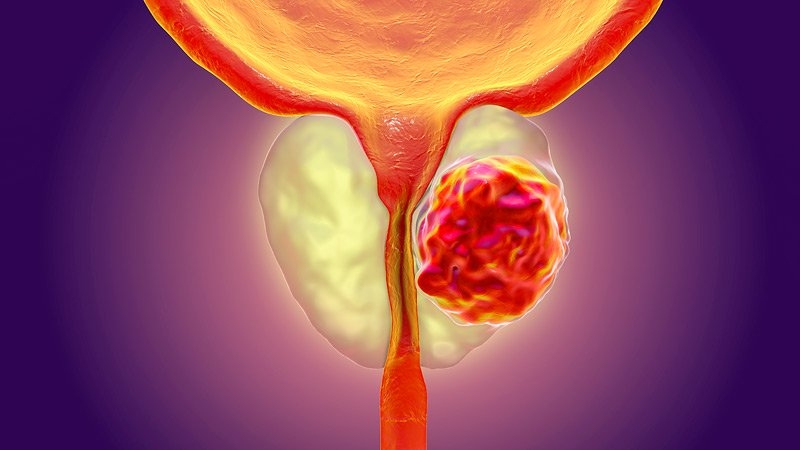
BPH is a non-cancerous enlargement of the prostate gland that can compress the urethra, causing difficulty in urination. While it is a common condition among men over 50, younger individuals can also be affected.
Common Causes and Risk Factors
Hormonal changes, aging, family history, obesity, and lifestyle factors can contribute to the growth of the prostate. Men with these risk factors should monitor their urinary health regularly to detect symptoms early.
How Prostate Enlargement Affects Daily Life
Symptoms can include frequent urination, weak urine flow, difficulty starting or stopping urination, and nocturia (waking up multiple times at night to urinate). These issues can interfere with sleep, work, and overall quality of life.
Recognizing Symptoms That Require Attention
Urinary Problems and Discomfort
Persistent urinary hesitancy, incomplete bladder emptying, and straining can indicate the need for evaluation. Ignoring these symptoms can increase the risk of urinary tract infections and bladder damage.
Impact on Sleep and Well-Being
Frequent nighttime urination disrupts sleep, leading to fatigue, irritability, and decreased productivity. Timely treatment helps restore both comfort and lifestyle balance.
Traditional Treatment Approaches
Medications for Symptom Management
Alpha-blockers and 5-alpha-reductase inhibitors can alleviate symptoms by relaxing muscles or reducing prostate size. While helpful, medications may not offer permanent solutions and can have side effects.
Surgical Options and Their Limitations
Procedures like transurethral resection of the prostate (TURP) are effective but involve hospital stays, anesthesia, and extended recovery. Some surgeries may also affect sexual function or cause bleeding and infection.
Prostate Artery Embolization (PAE): A Minimally Invasive Alternative
What Is Prostate Artery Embolization?
PAE is a catheter-based procedure that reduces blood flow to the enlarged prostate, causing it to shrink gradually. It is performed under local anesthesia, avoiding major incisions and minimizing risks.
How the PAE Procedure Works Step by Step
A small catheter is inserted into the arteries supplying the prostate. Tiny embolic particles are released to block blood flow selectively, leading to a gradual reduction in prostate size. The procedure typically takes 1–2 hours, and most patients are discharged the same day or after an overnight observation.
Who Is an Ideal Candidate for PAE?
Men experiencing moderate to severe urinary symptoms who want to avoid surgery are ideal candidates. PAE is also suitable for patients at higher surgical risk due to age or comorbidities.
Benefits of PAE Compared to Conventional Surgery
Preservation of Sexual and Urinary Function
Unlike some traditional surgeries, PAE preserves erectile function and continence, addressing prostate symptoms without compromising overall sexual health.
Faster Recovery, Less Pain, and Minimal Hospital Stay
Most patients can resume normal activities within a few days. The minimally invasive nature of the procedure reduces post-procedural pain and shortens recovery time significantly.
Choosing the Right Specialist for PAE
Expertise in Image-Guided Prostate Procedures
Selecting a skilled interventional radiologist is critical for optimal outcomes. Many men seeking prostate enlargement treatment in Mumbai trust Dr. Dharav Kheradia, who combines clinical expertise with precision imaging techniques to ensure safe and effective results.
Personalized Treatment Planning and Patient-Centered Care
Every patient receives a tailored plan considering prostate size, symptom severity, and overall health. Pre-procedure counseling, careful monitoring, and follow-up care help maximize results and long-term relief.
Recovery and Long-Term Outcomes
Post-Procedure Care and Monitoring
Patients are advised to follow simple guidelines, including adequate hydration, monitoring urinary patterns, and attending follow-up visits to track symptom improvement.
Long-Term Relief and Quality of Life
Most men experience a significant reduction in urinary frequency, urgency, and discomfort. With proper care, PAE provides lasting relief, enabling patients to return to normal routines with confidence.
Conclusion
Prostate Artery Embolization offers a modern, minimally invasive solution for men struggling with urinary symptoms due to prostate enlargement. With expert guidance from specialists like Dr. Dharav Kheradia, patients can enjoy relief without the challenges of traditional surgery. Early consultation and personalized care are key to achieving the best outcomes and restoring daily comfort.